Defensible Space Zones Explained: A Complete Guide for California Homeowners
Understanding the three zones of defensible space is critical for protecting your home from wildfire.
What is Defensible Space?
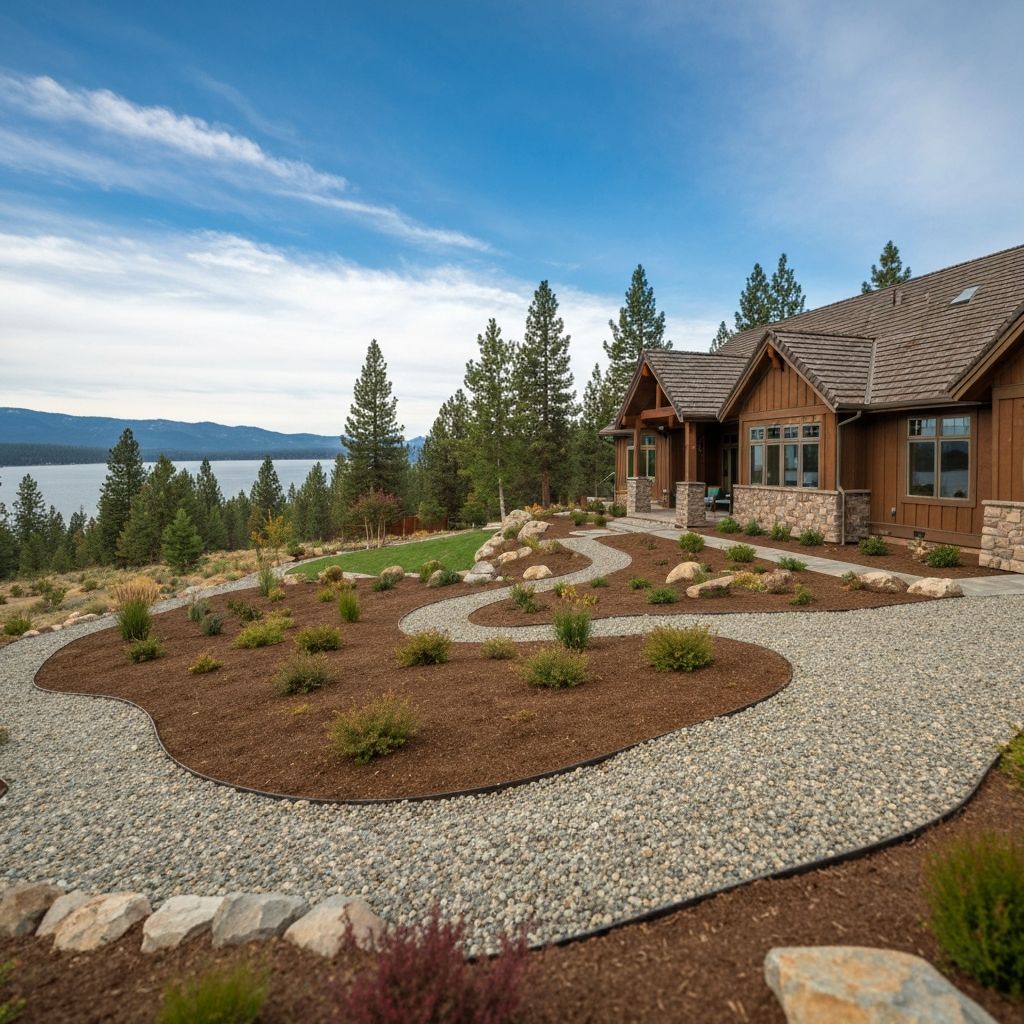
Defensible space is the buffer you create between a building on your property and the grass, trees, shrubs, or any wildland area that surrounds it. This space is needed to slow or stop the spread of wildfire and it helps protect your home from catching fire—either from direct flame contact or radiant heat.
Proper defensible space also provides firefighters a safe area to work in, to defend your home. When there's no defensible space, firefighters may not be able to safely protect your home, meaning they may have to move on.
The Three Zones of Defensible Space
California law requires 100 feet of defensible space around structures in fire-prone areas. This space is divided into three distinct zones, each with specific requirements.
Zone 0: Immediate Zone (0-5 feet from structures)
This is your home's most critical protection zone. Also called the "ember-resistant zone," it's designed to keep fire from reaching your house.
Requirements for Zone 0:
Zone 1: Lean, Clean, and Green Zone (5-30 feet)
This intermediate zone reduces fire intensity near your home.
Requirements for Zone 1:
Zone 2: Reduced Fuel Zone (30-100 feet)
This outer zone creates a buffer that slows an approaching fire.
Requirements for Zone 2:
Slope Considerations
If your property is on a slope, you'll need to increase spacing between plants. Fire travels faster uphill, so properties on slopes face greater risk.
Getting Started
Creating proper defensible space can seem overwhelming, but it's achievable with a systematic approach:
Professional Assessment
Not sure where to start? EmberLine offers free property assessments to help you understand your specific risks and create an action plan. Our team will walk your property, identify vulnerabilities, and provide a prioritized list of improvements.
Schedule Your Free Assessment →
Conclusion
Creating and maintaining defensible space is one of the most effective ways to protect your home from wildfire. It's required by law in California, but more importantly, it could save your home and give firefighters a safe place to work if fire approaches.
Don't wait until fire season to get started. The best time to create defensible space is now.
Share this article